
Uncategorized

Uncategorized

A Baker’s Guide to the Classics We All Love

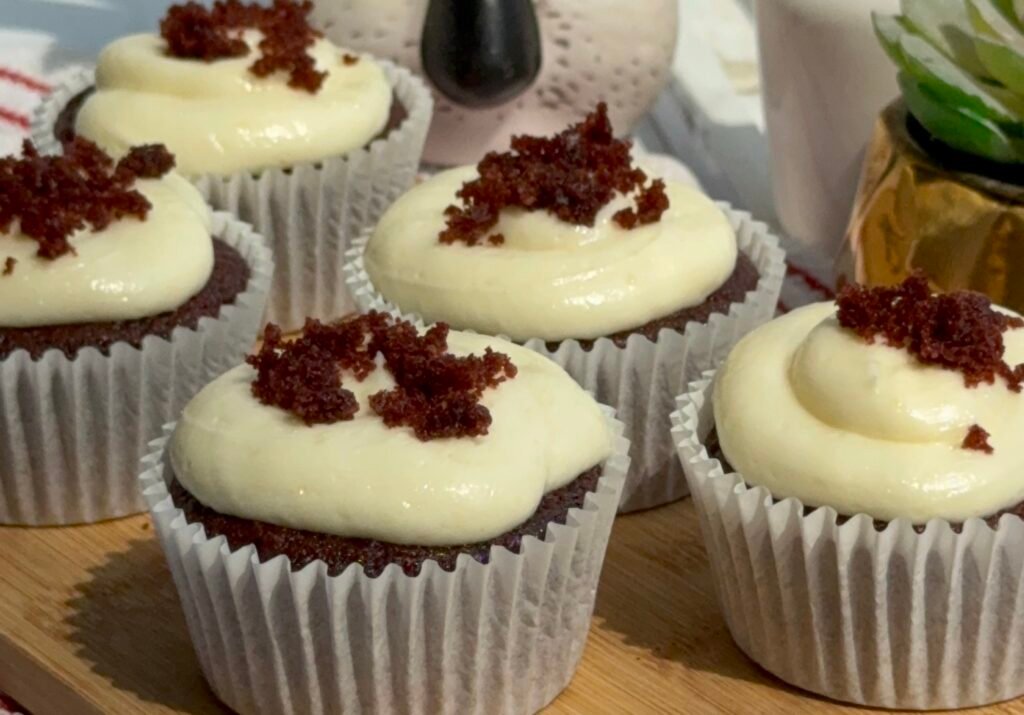
There’s something special about baked goods. A cupcake can turn an ordinary day into a celebration, a warm cookie can instantly feel like comfort, muffins can make a simple morning feel a little more special, and a freshly baked cinnamon roll can make an entire kitchen smell like home. But these treats are more than just something delicious to eat. Over time, cupcakes, cookies, muffins, and cinnamon rolls have each developed their own place in baking culture. From humble beginnings to becoming bakery favourites, these classics continue to evolve with new flavours, textures, and creative twists. Cupcakes have become one of the most recognisable individual desserts. Their small size makes them perfect for birthdays, celebrations, gifting, or simply enjoying a little something sweet without having to slice an entire cake. What makes cupcakes particularly fun is how much personality can fit into one tiny cake. Different frostings, fillings, flavours, and decorations can completely transform them, making them endlessly versatile. And while cupcakes may look simple, getting that soft, fluffy texture and balanced sweetness is an art of its own. That’s exactly why I created my Eggless Cupcake E-book—a collection designed for anyone who wants to explore beautiful, bakery-style cupcakes without using eggs. It’s filled with recipes and ideas to make your cupcake-baking journey a little easier and a lot more exciting. Then there are cookies—one of those desserts that almost everyone has a favourite version of. Some love them crisp around the edges, some prefer them soft and chewy, while others can’t resist a thick, chunky cookie packed with chocolate or delicious fillings. Cookies have come a long way from simple biscuits and have now become a huge part of modern bakery culture. There’s something incredibly satisfying about making a batch of cookies and watching them transform in the oven. The aroma, the golden edges, the melted chocolate, and that first bite straight from the cooling tray—it’s hard to beat. My Cookie E-book is for those who want to take their cookie game beyond the basic batch and explore indulgent, bakery-inspired creations from their own kitchen. Muffins have their own charm. They’re often associated with breakfast and coffee breaks, but modern muffins have become so much more than that. From fruity and fresh flavours to rich chocolate combinations and indulgent fillings, muffins can easily go from a casual breakfast treat to something that belongs behind a glass bakery counter. What makes a great muffin isn’t just its flavour. Texture, moisture, rise, and that beautiful bakery-style top all come together to create the perfect bite. My Eggless Muffin E-book was created for exactly this reason—to make gourmet, eggless muffins feel achievable at home while giving you plenty of inspiration to experiment with different flavours. And finally, there’s the cinnamon roll. Soft, fluffy dough wrapped around layers of cinnamon and sugar, finished with a creamy topping—it’s the kind of bake that feels indulgent from the very first bite. Cinnamon rolls have become a bakery favourite across the world, and today you can find endless variations ranging from classic cinnamon sugar to chocolate-filled and other creative combinations. There’s something especially satisfying about making cinnamon rolls from scratch. The process takes a little patience, but watching those spirals rise and bake into golden, fluffy rolls makes it completely worth it. My Cinnamon Roll E-book is created for anyone who wants to bring that bakery experience into their own kitchen. Whether you’re a complete beginner or someone who already loves spending time in the kitchen, baking is really about experimenting, creating, and finding the flavours that make you happiest. You don’t need to be a professional baker to make something incredible—you just need a good recipe, a little patience, and the excitement to try. If cupcakes, cookies, muffins, and cinnamon rolls are already making you want to preheat the oven, Crookie’s collection of baking e-books is here to help you turn that inspiration into something delicious. Choose your favourite, get baking, and make your kitchen your favourite little bakery. 🤎
Uncategorized

The History of Baking: From Ancient Bread to Modern Bakeries

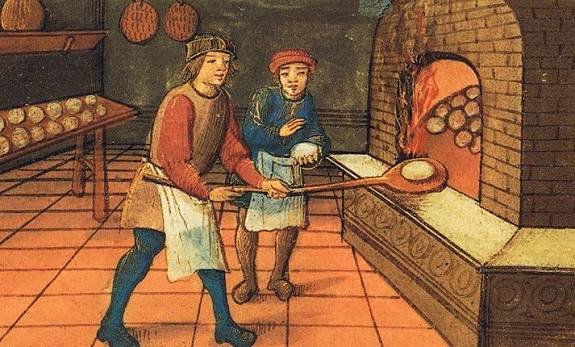
Baking is one of the oldest culinary traditions in the world. Long before pastries filled bakery windows and cupcakes became birthday favorites, people were baking simple flatbreads over hot stones. Over thousands of years, baking evolved from a necessity for survival into an art form that brings together science, creativity, and celebration. A Brief History of Baking The earliest evidence of baking dates back more than 14,000 years, when prehistoric communities baked primitive flatbreads using wild grains and water. Around 3000 BCE, the ancient Egyptians transformed baking by discovering the natural fermentation process, leading to the creation of leavened bread. Their innovations spread to the Greeks and Romans, who refined baking techniques and introduced communal ovens. During the Middle Ages, professional bakers became increasingly common throughout Europe, with guilds ensuring quality and consistency. By the 18th and 19th centuries, the Industrial Revolution made ingredients such as flour and sugar more accessible, while improved ovens allowed home baking to flourish. Today, baking has become a global craft, blending centuries-old traditions with modern techniques and flavors. Cupcakes Cupcakes are individual-sized cakes baked in small paper liners or tins. Their popularity grew in the 19th century, particularly in the United States, where they earned the nickname “number cakes” because ingredients were measured by cups instead of weight. Today, cupcakes are loved for their convenience, endless decorating possibilities, and ability to suit every celebration. Cookies The word “cookie” comes from the Dutch word koekje, meaning “little cake.” Cookies originated as small portions of dough baked by bakers to test oven temperatures before baking larger cakes. Over time, these simple treats evolved into countless varieties—from buttery shortbread and chewy chocolate chip cookies to sandwich cookies and festive holiday favorites. Muffins Modern muffins are believed to have two distinct origins. English muffins originated in Britain as yeast-leavened griddle breads, while American muffins developed later as quick breads made with baking powder or baking soda. Today, muffins are enjoyed in both sweet and savory forms, with bakery-style versions featuring domed tops, flavorful fillings, and crumb toppings. Brownies Brownies were first created in the United States in the late 19th century. Legend has it that a baker accidentally forgot to add baking powder to a chocolate cake, resulting in a dense, fudgy dessert. Whether the story is true or not, brownies quickly became a beloved classic and are now available in fudgy, cakey, and chewy styles. Cheesecake Cheesecake has an unexpectedly ancient history. Historians believe that early versions were served in ancient Greece more than 2,000 years ago, even to athletes during the first Olympic Games. Modern cheesecake has evolved into many regional styles, including the rich New York cheesecake and lighter European versions. Croissants Although closely associated with France, the croissant traces its roots to Austria. Inspired by the Austrian kipferl, French bakers refined the pastry by introducing laminated dough, creating the buttery, flaky croissant that has become one of the world’s most recognizable pastries. Donuts Fried dough has existed across many cultures for centuries, but the modern ring-shaped donut became popular in the United States during the 19th century. The hole in the center helped the dough cook more evenly, giving rise to the classic donut we know today. Baking Today Modern baking combines tradition with innovation. From artisan sourdough and gourmet cookies to elegant pastries and creative muffins, bakers continue to experiment with flavors, textures, and techniques while honoring centuries of craftsmanship. Whether you’re baking for family, friends, or simply for the joy of creating something delicious, every recipe carries a small piece of baking history. Understanding where these treats come from makes every bite a little more meaningful—and reminds us that baking is much more than following a recipe. It’s a tradition that has connected people across cultures and generations for thousands of years.

Scroll to Top